0832-6747575
Why You Should Avoid Typing Wi-Fi Passwords
Introduction to Password-Free Wi-Fi Sharing
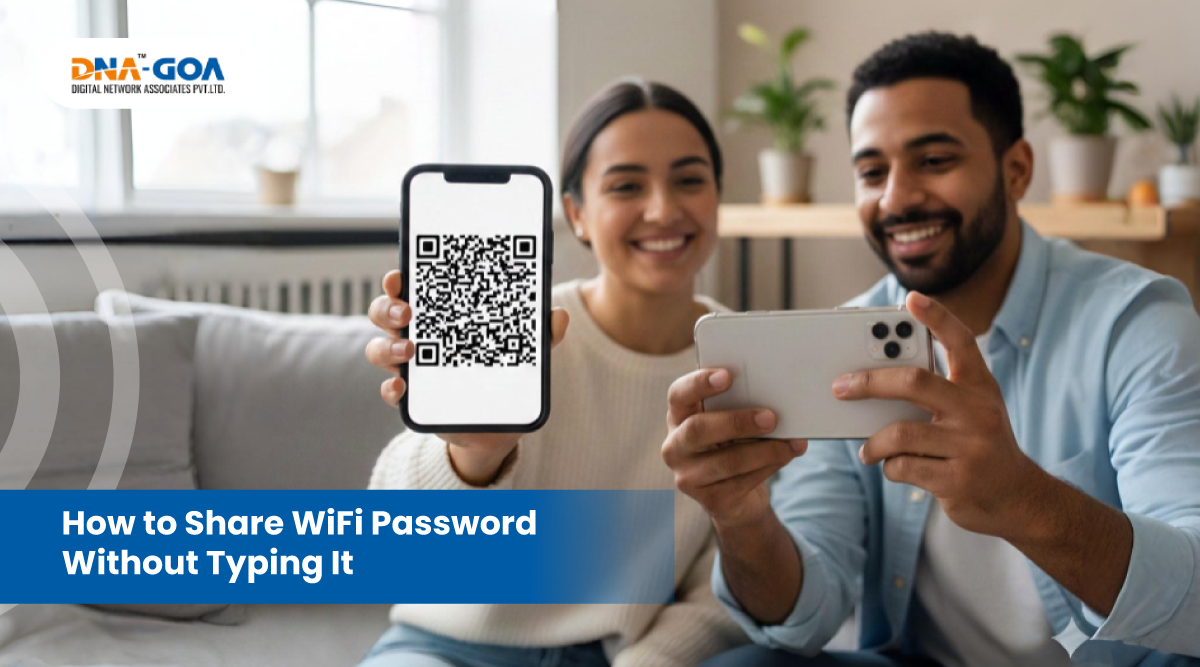
Typing Wi-Fi passwords every time a friend or colleague wants to connect is more tedious than it seems. Not only can it slow things down, but it also opens up small risks like accidental exposure of your network details. You can actually share WiFi password without typing using simple methods that save time and keep your network safer. Wireless network password sharing is becoming easier, and most modern devices support it. You’ll see how to share WiFi password on Android, iPhone, or even through a Wi-Fi QR code, all without entering long, confusing strings of characters.
Why Typing Wi-Fi Passwords Is a Bad Idea
Manual password input may lead to keyboard typos and re-entry attempts. In workplaces or homes with multiple guests, this adds up quickly. You also risk accidentally showing your password to someone looking over your shoulder. Besides, repeatedly entering confidential data can lead to the creation of errors, which may jeopardize your network. Moreover, it is simply inefficient and insecure for shared environments.
Benefits of Sharing Wi-Fi Without Typing
Wi-Fi sharing without typing is faster, cleaner, and more secure. It keeps your network password private while letting friends or devices connect immediately. Devices can authenticate directly or scan a code, reducing errors. You don’t have to repeat passwords or worry about someone copying them manually. For households or small offices, it’s a convenience that’s worth setting up.
Share Wi-Fi Using QR Codes (The Easiest Method)
What Is a Wi-Fi QR Code?
Wi-Fi QR code is a digital shortcut that has all your Wi-Fi connection details like SSID, encryption method, and password embedded in it. You just need to scan it using your mobile’s camera/QR code scan feature, and you’re connected within seconds. There’s no typing involved here; hence, no errors as well. Not all devices support Wi-Fi QR code technology; therefore, it has limited compatibility.
How Wi-Fi QR Codes Work
QR Codes contain network details that a smartphone or phone is capable of scanning and interpreting to access the network automatically, without the need to insert a password. It’s basically a one-step connection. You can print it, keep it on a device, or even share it digitally with friends or team members.
How to Share Wi-Fi via QR Code on Android
Built-In Android Wi-Fi Sharing Feature
The majority of modern Android devices come with an inbuilt feature that helps generate or share a QR code related to Wi-Fi connectivity. You select the network you want to share and generate a QR code right from your Wi-Fi settings. This eliminates the need for third-party apps in most cases.
Steps to Generate and Scan a Wi-Fi QR Code
Open your Wi-Fi settings first and select your internet network. Tap the share option, and by entering your PIN or fingerprint, your own QR code will be generated. To connect another device, open its camera app, scan the QR code, and it joins automatically. It’s that simple. You can even save a copy for future use.
How to Share Wi-Fi via QR Code on iPhone
Limitations of iPhone QR Code Sharing
iPhones don’t always generate QR codes natively for Wi-Fi. The process seems limited in comparison to Android. There are more steps required or additional tools needed to generate scanable bar codes.
Using Shortcuts and QR Generator Apps
You can use the Shortcuts app or a third-party QR code generator. Now, input your network name and password to display a QR code. Friends can scan it using the iPhone camera, and it connects automatically. It’s slightly more effort, but it works well.
Automatic Wi-Fi Sharing Between iPhones
How Apple’s Wi-Fi Password Sharing Works
Apple devices support automatic password sharing without typing. If both devices are nearby and signed into iCloud, a prompt appears on the device already connected. Confirming it shares the network instantly.
Requirements for Seamless iPhone Wi-Fi Sharing
Both devices need to have Wi-Fi and Bluetooth turned on, be updated to the latest iOS, and have each other in contacts. It’s simple once set up, and it avoids manual entry entirely.
Share Wi-Fi on Android Using Nearby Share
What Is Android Nearby Share?
Nearby Share allows Android devices to exchange data, including Wi-Fi credentials, over Bluetooth or Wi-Fi Direct. It’s Google’s answer to Apple’s seamless sharing features.
Steps to Share Wi-Fi Using Nearby Share
Open Wi-Fi settings, select the network, tap “Share,” and choose Nearby Share. Authenticate if needed, and the receiving device gets connected automatically. It’s especially useful for office environments with multiple Android users.
How to Share Wi-Fi from Windows Without Typing
Creating a Wi-Fi QR Code on Windows
Windows laptops can generate QR codes for connected networks through settings or small apps. Once generated, you can display the code for mobile devices to scan, avoiding password entry.
Using Mobile Hotspot as an Alternative
Another method is creating a mobile hotspot on Windows. The hotspot has its own network name and password, which can be shared via QR code or automatically with devices that support Windows-to-Android connections.
Share Wi-Fi on macOS (MacBooks & iMacs)
How macOS Wi-Fi Sharing Works
Mac devices can share Wi-Fi from System Preferences. You enable internet sharing, select the source network, and allow other devices to join. The system can generate a temporary password automatically.
Requirements for Mac-to-Apple Device Sharing
Nearby Apple devices with Wi-Fi and Bluetooth on can accept shared connections without typing. The devices must be logged into iCloud, and often, contacts need to be synced.
Using Your Router’s Built-In Wi-Fi QR Code
Where to Find the Router QR Code
Many modern routers print a QR code on the device or provide it via the admin interface. It contains all credentials and works on any compatible phone. Scanning it is immediate.
Why Router QR Codes Are Ideal for Homes and Offices
Router QR codes are convenient because you can share access with multiple people at once. They minimize human error and help your network password remain a secret. Offices usually adopt them for rapid multiple devices.
Security Tips for Sharing Wi-Fi Without Typing
Best Encryption and Guest Network Practices
Encryption should always be enabled with WPA3 or WPA2. If you have frequent guests, consider creating a guest network to keep your devices protected. Encryption prevents any unauthorized access attempts, even with QR scanning.
How to Share Wi-Fi Safely Using QR Codes
Keep a limitation on distributing your QR code to only trusted individuals. Change your wi-fi passwords on a regular basis. Temporary wi-fi passwords can also be created for short-term visitors for increased security without exposing passwords regularly.
Conclusion: Smarter and Safer Ways to Share Wi-Fi
Avoiding manual typing for Wi-Fi access is both practical and safer. With QR code sharing, auto-sharing, and Nearby Share, you can now share WiFi password without typing, ensuring your network security. This feature works across all Android phones, iPhone, Windows computers, and Mac computers to have a smooth connectivity process. To maintain your network’s secrecy, you have to follow proper security procedures. This can be achieved by consulting your internet service provider in Mormugao to coordinate all setup processes.